Title: Exploring Bharata’s Rasa Theory: The Essence of Indian Aesthetics
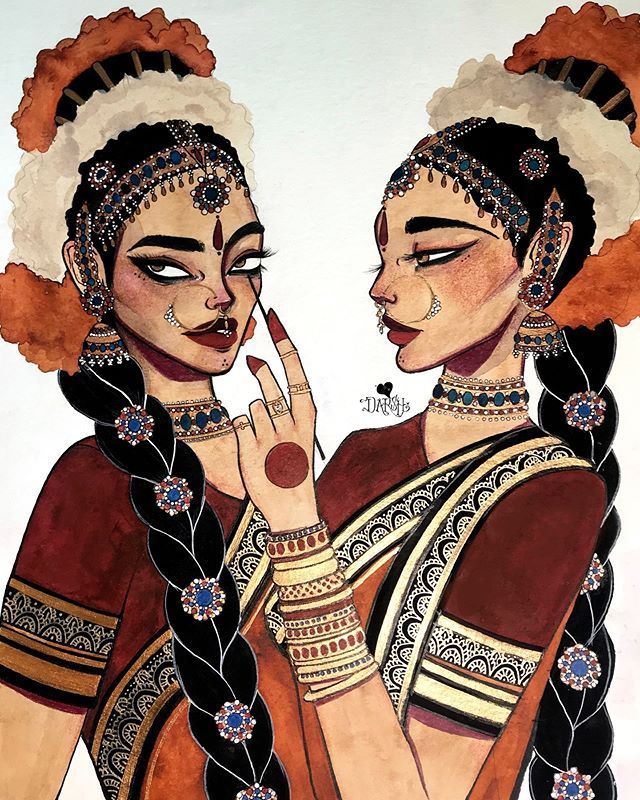
Introduction: In the realm of aesthetics, few concepts hold as much significance and depth as Bharata Muni’s Rasa Theory. Rooted in ancient Indian philosophy and arts, this theory delves into the essence of human emotions, transcending cultural boundaries to offer profound insights into the nature of artistic expression. In this exploration, we journey through the rich tapestry of Bharata’s Rasa Theory, uncovering its relevance, intricacies, and enduring impact on Indian art and culture. Understanding Rasa: At the heart of Bharata’s theory lies the concept of “Rasa,” which translates to “essence” or “juice” in Sanskrit. Rasa represents the emotional flavor or sentiment evoked by a work of art, whether it be a play, poem, dance, or music composition. These emotions range from love (shringara) and valor (veera) to compassion (karuna) and humor (hasya), encompassing the entire spectrum of human experience. The Natyashastra: Bharata Muni’s seminal work, the Natyashastra, serves as the cornerstone of Indian performing arts and aesthetics. Comprising over 6,000 verses, this ancient treatise provides a comprehensive guide to drama, dance, and music, elucidating the principles of performance, storytelling, and audience engagement. Central to the Natyashastra is the concept of Rasa, which Bharata meticulously analyzes and elaborates upon. The Eight Rasas: Bharata categorizes Rasa into eight primary emotions, each associated with a specific mood, sentiment, and aesthetic experience. These Rasas include: 1. Shringara (Love/Beauty) 2. Hasya (Humor) 3. Karuna (Compassion) 4. Raudra (Anger) 5. Veera (Valor) 6. Bhayanaka (Fear) 7. Bibhatsa (Disgust) 8. Adbhuta (Wonder) Each Rasa is not merely an emotion but a transformative experience that transports the audience into the world of the performance, eliciting a profound emotional response and aesthetic appreciation. The Role of Bhava and Vibhava: In addition to Rasas, Bharata identifies “Bhavas” (emotional states) and “Vibhavas” (stimuli or causes) as essential components of artistic expression. Bhavas are the internal emotions experienced by the characters, while Vibhavas are the external factors that trigger these emotions. Together, they form the emotional landscape of the narrative, guiding the audience on a journey of catharsis and enlightenment. The Process of Rasa Transmission: According to Bharata, the transmission of Rasa occurs through a complex interplay of various elements, including the performer (actor/dancer/musician), the performance itself, and the receptive spectator (audience). Through mastery of technique, expression, and emotional resonance, the artist becomes a conduit for Rasa, channeling the essence of human experience into the artistic medium and captivating the audience’s imagination. The Universal Appeal of Rasa: While rooted in Indian culture and tradition, Bharata’s Rasa Theory transcends geographical and temporal boundaries, resonating with audiences across the globe. Its universal principles of emotional resonance, aesthetic appreciation, and spiritual elevation continue to inspire artists, scholars, and enthusiasts worldwide, fostering a deeper understanding of the human condition and the transformative power of art. Conclusion: Bharata Muni’s Rasa Theory stands as a testament to the timeless wisdom and artistic genius of ancient India. Through its profound insights into the nature of emotion, expression, and aesthetic experience, this theory illuminates the path towards a deeper appreciation of the arts and a more profound connection with the essence of humanity. As we continue to explore the depths of Bharata’s Rasa Theory, we embark on a journey of discovery, enlightenment, and boundless creativity, enriching our lives and enriching the world around us.
Navigating Dance Auditions: Tips for Success and Overcoming Stage Fright
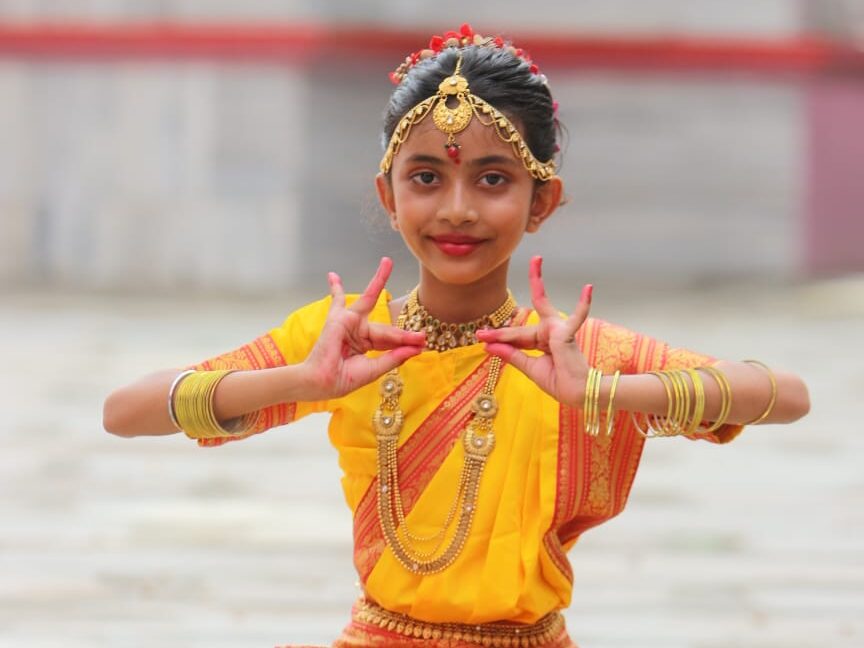
Introduction: Dance auditions stand as pivotal moments in a dancer’s journey, where dreams meet reality, and the pursuit of artistic expression converges with the competitive edge. Whether it’s aspiring for a spot in a prestigious company, a coveted role in a production, or admission into a renowned dance school, auditions serve as the gateway to opportunity. However, alongside the thrill of potential success comes the daunting challenge of overcoming stage fright and delivering a performance that shines amidst the crowd. In this comprehensive guide, we will explore invaluable tips and strategies for navigating dance auditions with confidence, addressing stage fright head-on, and maximizing your chances of success in the spotlight. Understanding the Audition Environment: Before delving into specific tips and techniques, it’s crucial to gain a comprehensive understanding of the audition environment. Dance auditions come in various forms, ranging from open calls and company auditions to school admissions and performance opportunities. Each setting carries its unique set of expectations, criteria, and challenges. Therefore, familiarizing yourself with the specific requirements and format of the audition you’re preparing for is essential. Tips for Overcoming Stage Fright: Stage fright, or performance anxiety, is a common challenge that many dancers face during auditions and performances. It manifests as a combination of physical symptoms (such as sweating, trembling, and rapid heartbeat) and psychological distress (such as fear, self-doubt, and negative thoughts). However, with the right mindset and preparation, it’s possible to overcome stage fright and deliver a confident and compelling performance. Dance auditions represent an opportunity for dancers to showcase their talent, passion, and dedication to their craft. While the prospect of performing in front of others can evoke feelings of nervousness and self-doubt, it’s essential to approach auditions with confidence, preparation, and a positive mindset. By understanding the audition environment, preparing diligently, and implementing strategies for overcoming stage fright, dancers can navigate auditions with grace, resilience, and authenticity. Remember that auditions are not just about securing a role or opportunity but also about celebrating the joy of dancing and expressing yourself through movement. Embrace the journey, trust in your abilities, and let your passion for dance shine brightly in the audition room.
Comparative Analysis: Unveiling the Nuances of Bharatanatyam and Kathak Classical Dances

Within the world of classical dance, Bharatanatyam and Kathak stand as two prominent pillars of cultural expression and artistic brilliance. In this comparative analysis, we delve into the intricate details of these revered dance forms, uncovering their unique features, historical backgrounds, stylistic elements, and cultural significance. “Dance is the hidden language of the soul, and when two classical forms like Bharatanatyam and Kathak converse, they create a symphony of cultural expressions.” 1. Historical and Cultural Context:Explore the origins of Bharatanatyam in the temples of South India and Kathak’s evolution from the royal courts of North India. Uncover the cultural contexts that shaped these dances into distinct forms of artistic storytelling. 2. Movements and Techniques:Break down the foundational movements and techniques of Bharatanatyam and Kathak. Examine the footwork, hand gestures (mudras), postures, and rhythmic patterns that define each dance style’s vocabulary. 3. Music and Rhythm:Delve into the musical accompaniments that guide Bharatanatyam and Kathak performances. Analyze the rhythmic structures, instruments, and vocalizations that create the foundation for each dance’s expression. 4. Costumes and Makeup:Compare the elaborate costumes and makeup used in Bharatanatyam and Kathak. Uncover how these visual elements contribute to the storytelling and aesthetics of each performance. 5. Expressive Elements:Explore the emotional and narrative aspects of Bharatanatyam and Kathak. Analyze how facial expressions, storytelling, and character portrayal are integrated into each dance form’s framework. 6. Regional Styles and Influences:Discuss the regional variations within Bharatanatyam and Kathak. Examine how different schools and gharanas have added their distinct flavors to these dance forms over time. 7. Performance Contexts:Compare the traditional performance contexts of Bharatanatyam and Kathak, from temples and courts to modern stages. Explore how these dances have adapted to contemporary platforms. 8. Cultural Impact and Revival:Examine how Bharatanatyam and Kathak have contributed to cultural identity and artistic revival. Discuss their roles in preserving heritage and captivating global audiences. 9. Evolution and Innovation:Investigate how Bharatanatyam and Kathak have evolved over the years. Analyze the ways in which modern choreographers and dancers have incorporated innovative elements while preserving tradition. 10. Artistic Expression and Uniqueness:Summarize the distinct artistic expressions and unique features of Bharatanatyam and Kathak. Highlight their contributions to the rich tapestry of classical dance.The comparative analysis of Bharatanatyam and Kathak offers a deeper understanding of the diversity and depth within classical dance. By unraveling the intricacies of these dance forms, we gain a profound appreciation for their historical significance, artistic beauty, and enduring impact on cultural heritage.
Interplay of Inspiration: How Classical Dance Influences Other Art Forms
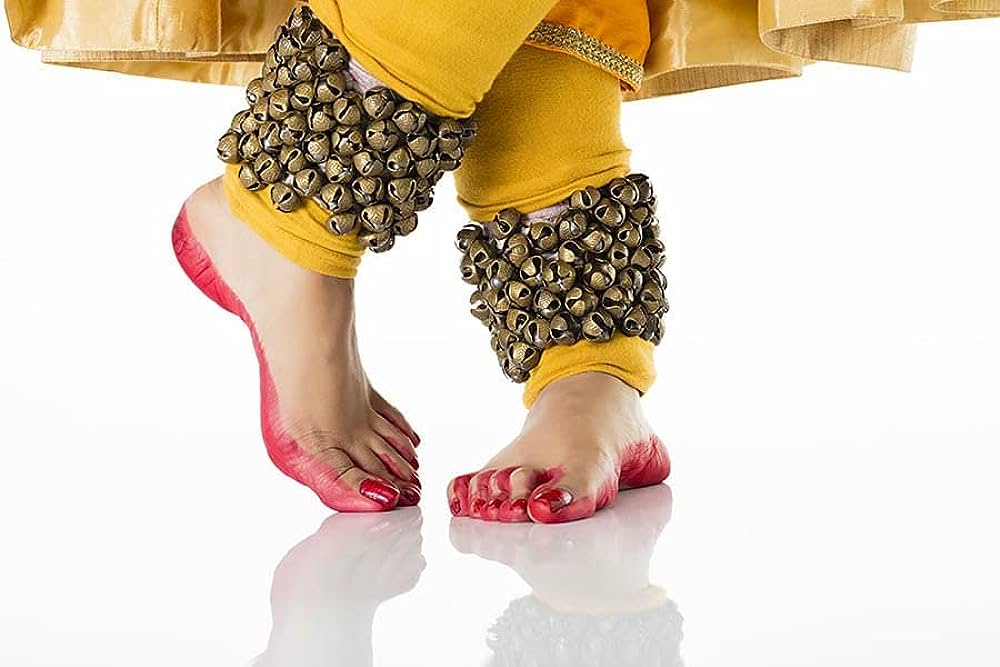
Classical dance is more than just graceful movements; it’s a living art form that has the power to transcend boundaries and inspire across various creative realms. In this blog post, we’ll explore the fascinating ways in which classical dance weaves its influence into other art forms, enriching and evolving the creative landscape. “Art is the only way to run away without leaving home.” – Twyla Tharp 1. Choreography and Cinematic Magic:Classical dance’s storytelling techniques have profoundly impacted choreography in movies and music videos. From Bollywood to Hollywood, intricate dance routines draw inspiration from the expressive narratives of classical dance forms. 2. Brushstrokes of Dance in Visual Arts:The visual arts often reflect the dynamic postures, emotions, and symbolism of dance. Paintings, sculptures, and illustrations capture the essence of movement, translating it onto canvas or in three-dimensional forms. 3. Poetry and Dance as Kindred Spirits:The rhythmic patterns and emotional depth of classical dance mirror the cadence and sentiment of poetry. Many poets find inspiration in dance’s ability to convey complex emotions without words, infusing their verses with dance-like imagery. 4. Musical Harmony and Dance Dynamics:Dance and music are inseparable partners. Classical dance techniques influence musical compositions, dictating tempo changes, pauses, and crescendos that synchronize seamlessly with choreography. 5. Theatrical Fusion:Theater often integrates classical dance elements to enhance storytelling. Ballet, for instance, collaborates with theater to create visually captivating productions that blend movement, dialogue, and set design. 6. Fashion’s Dance of Styles:The grace and elegance of classical dance attire have inspired fashion designers worldwide. Runways showcase dresses, accessories, and designs that echo the fluid lines and cultural aesthetics of various dance forms. 7. Film and Dance Documentaries:Filmmakers have documented the journeys of renowned dancers, bringing their stories to a wider audience. These documentaries shed light on the dedication, struggles, and beauty of dance, inspiring both dancers and spectators. 8. Dance as Muse for Literature:Writers often find rich material in the world of dance. Novels, short stories, and essays explore the lives of dancers, the power of movement, and the transformative experiences that dance can offer. 9. Digital Art’s Interpretive Dance:Digital art embraces dance’s fluidity and expressiveness, incorporating movement into animations and interactive installations. These creations engage audiences by blurring the lines between the physical and digital worlds. 10. Culinary Arts and Dance Metaphors:The precision and rhythm of classical dance find parallels in the culinary arts. Chefs describe their culinary creations using dance metaphors, emphasizing the balance, composition, and sensory experience.Classical dance is a muse that continues to inspire, enrich, and shape a wide array of artistic expressions. Its influence can be seen in the sweeping movements of a brush, the rhythm of words, the harmony of music, and the visual splendor of cinema. As classical dance continues to evolve, its artistic impact on other mediums remains a testament to its enduring power and universal resonance.
Dance Techniques Demystified: Unveiling the Artistry and Skill Behind the Moves
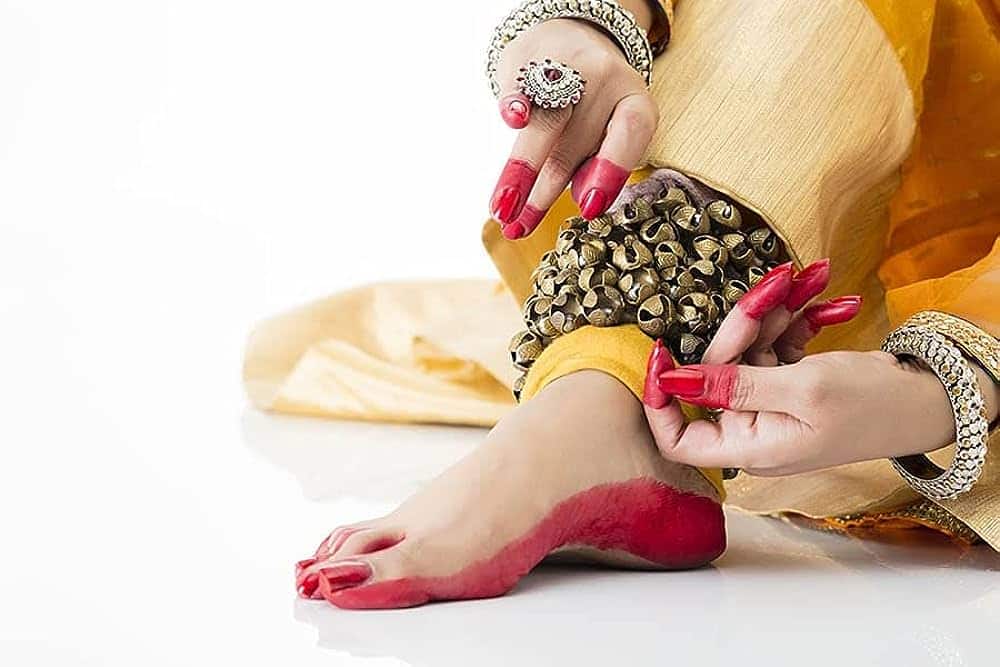
Dance is a universal language that speaks to the soul, conveying emotions, stories, and creativity through movement. Behind the mesmerizing performances lie a plethora of dance techniques, each with its unique style, history, and nuances. In this blog post, we embark on a journey to demystify these techniques, offering insights into the artistry and skill that bring dance to life. “Dancing is creating a sculpture that is visible only for a moment.” 1. Breaking Down Ballet:Ballet, known for its grace and precision, encompasses various techniques like classical, neoclassical, and contemporary ballet. Explore the intricate footwork, positions, and leaps that define this centuries-old art form. 2. Unleashing the Power of Hip-Hop:Hip-hop dance techniques burst with energy and urban flavor. Learn about popping, locking, breaking, and freestyling – each with its rhythm, attitude, and foundation in street culture. 3. The Elegance of Contemporary Dance:Contemporary dance techniques push boundaries by blending different styles. Delve into fluid movements, emotional expression, and the fusion of ballet, jazz, and modern dance. 4. Tapping into Rhythm:Tap dance is a percussive wonder, combining footwork with musicality. Discover the techniques behind creating intricate rhythms and harmonies using taps on shoes. 5. Kathak’s Expressive Footwork:Kathak, a classical Indian dance, is renowned for its intricate footwork and storytelling. Explore how footwork becomes a language in itself, conveying emotions and tales. 6. Flamenco’s Passionate Stance:The techniques of Flamenco dance showcase fiery foot stomping, fluid arm movements, and passionate expressions. Uncover the techniques that embody the soul of Spanish culture. 7. Embodying Character in Jazz Dance:Jazz dance techniques capture versatility and individuality. From isolations to leaps, learn how dancers use these techniques to embody various characters and moods. 8. Salsa’s Synchronic Moves:Salsa dance is a partner-oriented style that requires seamless coordination. Dive into the techniques that enable dancers to move as one, expressing the vibrant spirit of Latin music. 9. Precision in Ballroom Dancing:Ballroom dance techniques emphasize partnership and elegance. From waltz to cha-cha, understand how dancers maintain poise while executing intricate steps. 10. Bharatanatyam’s Sacred Form:Bharatanatyam, a classical South Indian dance, combines intricate footwork with storytelling hand gestures. Learn about the techniques that honor tradition and spirituality.Dance techniques are the heartbeats that resonate through every performance, connecting dancers to their art and audiences to their emotions. From the elegance of ballet to the rhythm of tap and the passion of Flamenco, each technique adds a layer of complexity and beauty to the world of dance. By understanding these techniques, we gain a deeper appreciation for the dedication, practice, and artistry that make dance a truly enchanting form of expression.
Evolution of Classical Dance Costumes and Makeup: A Journey Through Time
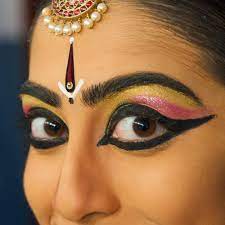
Classical dance is a mesmerizing art form that seamlessly weaves together graceful movements, intricate storytelling, and captivating music. But alongside these elements, another crucial aspect that contributes to the enchantment of classical dance is the evolution of costumes and makeup. This blog post takes you on a journey through time, exploring how classical dance costumes and makeup have transformed over the years, reflecting cultural shifts, artistic innovations, and the essence of each dance style. 1. Historical Roots and Traditional Attire:Classical dance forms like Bharatanatyam, Kathak, Odissi, and more have deep-rooted traditions that are reflected in their original costumes. These costumes often feature rich fabrics, elaborate jewelry, and unique drapery styles. Makeup was minimal, focusing on enhancing facial expressions and maintaining a connection between the performer and the audience. 2. Influence of Socio-Cultural Changes:As societies evolved, so did dance costumes. Colonial influences, changing societal norms, and global exposure led to modifications in costume designs. For instance, ballet costumes in the West transitioned from heavy attire to lighter, more flexible outfits, allowing dancers greater freedom of movement. 3. Fusion and Experimentation:The mid-20th century saw a rise in experimentation, as dancers and choreographers began to blend traditional elements with contemporary aesthetics. This fusion resulted in innovative costume designs that retained the essence of the classical form while accommodating modern sensibilities. 4. Symbolism and Storytelling:Classical dance costumes are often symbolic, representing characters, deities, or emotions. Makeup plays a significant role in enhancing these representations. In Indian classical dance, expressive eye makeup and intricate face painting help convey intricate emotions and roles to the audience. 5. Technology’s Influence:Advancements in technology have enabled the creation of costumes with greater precision and ease. From lightweight materials that enhance movement to LED-embedded outfits that add a dynamic element to performances, technology has pushed the boundaries of costume design. 6. Sustainability and Contemporary Concerns:In recent times, there’s a growing emphasis on sustainable and eco-friendly practices in all fields, including dance. This has led to the exploration of natural dyes, organic fabrics, and thoughtful design to reduce the environmental impact of costumes. 7. Preserving Tradition in the Modern Era:Despite modern influences, many classical dance forms maintain a strong connection to their traditional costumes and makeup. Dancers and costume designers work to strike a balance between preserving the authenticity of the form while embracing the evolving demands of the art. 8. Individual Expression and Globalization:With globalization, classical dance has reached diverse audiences worldwide. This exposure has led to cross-cultural influences in costume design and makeup. Dancers often infuse their personal style into their attire, creating a unique blend of tradition and innovation.The evolution of classical dance costumes and makeup encapsulates the essence of artistic progression, cultural adaptation, and human creativity. From their historical origins to the contemporary stage, these elements continue to captivate audiences, telling stories that transcend time and geography. As classical dance evolves, so too will its costumes and makeup, a testament to the ever-changing yet enduring beauty of this art form.
Unveiling a Boon: Embracing the 15 Grace Marks in SSC Exams for Every Student
Introduction Education is a journey filled with milestones, challenges, and opportunities for growth. In this dynamic landscape, the recent introduction of 15 grace marks in Secondary School Certificate (SSC) exams has emerged as a beacon of hope for students across the board. This article explores how this provision is indeed a boon, leveling the playing field and fostering a more inclusive and supportive educational environment for all students. Leveling the Playing Field Elevating Mental Well-being Encouraging Lifelong Learning Promoting Inclusivity Guiding Future Reform The 15 grace marks in SSC exams represent a turning point in the education system, redefining success, and reimagining the path to excellence. This provision is not just a safety net; it’s a testament to the education system’s adaptability and its commitment to nurturing every student’s potential. As students across the nation embrace this boon, they are rewriting the script of their educational journey, embracing challenges with courage, and stepping towards a future where learning, growth, and inclusivity reign supreme.